
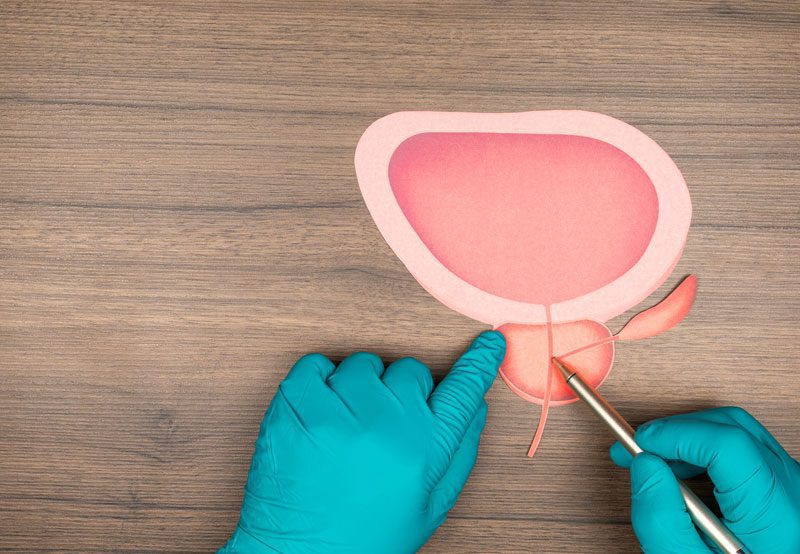

Transurethral resection of bladder tumors, commonly called TURBT, is a minimally invasive procedure used to diagnose, stage, and treat abnormal growths inside the bladder. It is performed through the urethra using a specialized scope, so no external incisions are required. TURBT is often the first and most important procedure for patients with suspected bladder cancer, as it removes visible tumors and provides tissue for pathology review. The results help determine whether additional treatment or surveillance is needed.
What It Treats
TURBT is commonly used for several bladder conditions, including:
- Suspected bladder cancer seen on imaging or cystoscopy
- Non-muscle-invasive bladder cancer confined to the inner lining of the bladder
- Recurrent bladder tumors found during surveillance
- Abnormal bladder lesions requiring biopsy or diagnosis
- Bleeding bladder masses causing hematuria or clot retention
- Selected benign growths or inflammatory lesions
How the Procedure Works
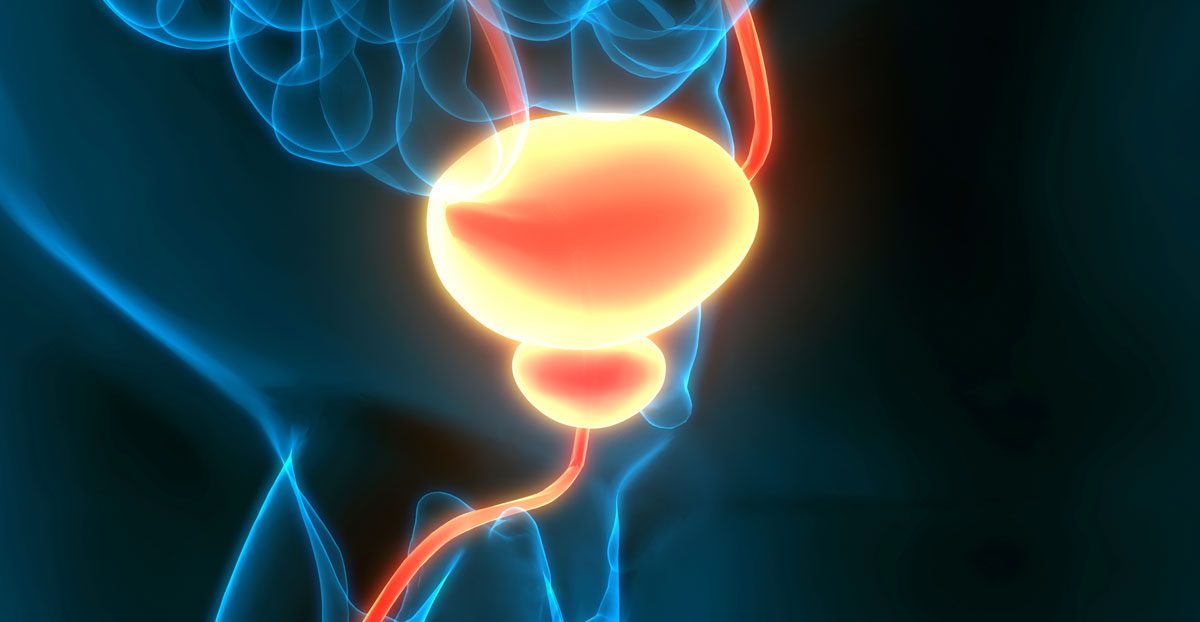
The procedure is performed under general or spinal anesthesia. A resectoscope is passed through the urethra into the bladder, allowing the surgeon to visualize the bladder lining and remove tumors using an electrical loop or other specialized instruments.
During the procedure:
- Visible tumors are removed or shaved down
- Deeper tissue samples are often obtained to determine invasion depth
- Bleeding areas are cauterized
- Multiple lesions may be treated in the same setting
- Some patients receive medication placed in the bladder after surgery depending on findings
The removed tissue is sent to pathology for diagnosis and staging.
Benefits of the Procedure
TURBT offers several important advantages:
- No external incisions
- Essential diagnosis and staging information
- Removal of visible bladder tumors
- Short hospital stay or outpatient treatment
- Repeatable procedure if new tumors develop
- Often combined with additional bladder-preserving treatments when appropriate
What to Expect
Many patients go home the same day or after a short observation period. Temporary burning with urination, urinary frequency, urgency, or mild blood in the urine is common after the procedure. A catheter may be placed briefly in some cases. Recovery usually occurs over several days, though healing time depends on the size and number of tumors removed.
Is It Right for You?
TURBT is typically recommended for patients with a bladder tumor, abnormal cystoscopy findings, unexplained hematuria, or recurrent bladder lesions. It is the standard first step for diagnosing and managing many bladder tumors. A urologist can determine whether TURBT is appropriate and whether additional treatments such as intravesical therapy, repeat resection, or surveillance should follow.