
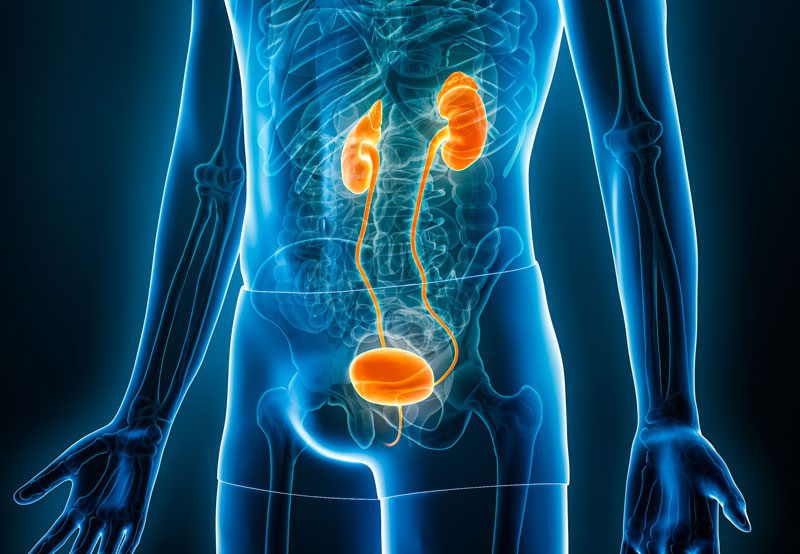
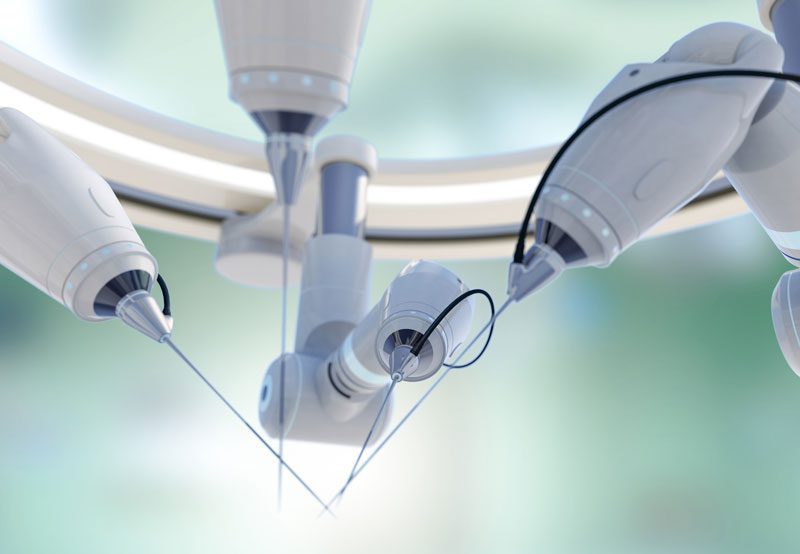
Robotic nephroureterectomy is a minimally invasive surgical procedure used to remove the kidney, ureter, and a small cuff of bladder tissue using robotic-assisted technology. It is most commonly performed for cancers involving the lining of the kidney drainage system or ureter, known as upper tract urothelial carcinoma. The robotic approach allows surgeons to perform complex cancer surgery through small incisions with enhanced precision, visualization, and control.
What It Treats
Robotic nephroureterectomy may be recommended for several conditions, including:
- Upper tract urothelial carcinoma: Cancer involving the renal pelvis or ureter
- High-grade ureter tumors
- Recurrent urothelial cancer affecting the upper urinary tract
- Large or obstructing tumors involving the kidney drainage system
- Selected nonfunctioning kidneys with associated ureteral disease in uncommon cases

How the Procedure Works
The operation is performed under general anesthesia through several small abdominal incisions. Robotic ports are placed to insert a camera and specialized instruments. The surgeon controls the robotic system from a console.
During the procedure:
- The kidney is carefully separated from surrounding structures
- The ureter is traced downward and removed in continuity
- A cuff of bladder tissue where the ureter enters the bladder is also removed
- Nearby lymph nodes may be removed when indicated for staging or treatment
The specimen is then removed through a small incision.
Benefits of the Procedure
Robotic nephroureterectomy may offer several advantages compared with open surgery:
- Small incisions
- Less blood loss in many patients
- Reduced postoperative pain
- Shorter hospital stay
- Faster return to routine activity
- Enhanced visualization around delicate blood vessels and urinary structures
- Effective cancer treatment with minimally invasive recovery benefits
What to Expect
Most patients remain in the hospital for one to several days depending on recovery and overall health. Temporary catheter placement is common after surgery while the bladder cuff area heals. Mild soreness, fatigue, and lifting restrictions are expected during early recovery. Final pathology results guide whether additional treatment or surveillance is recommended.
Is It Right for You?
Robotic nephroureterectomy may be appropriate for patients with upper tract urothelial carcinoma or other conditions requiring removal of the kidney and ureter. Suitability depends on tumor size, grade, location, kidney function, prior surgeries, and overall health. A urologic oncologist can determine whether a robotic approach is the safest and most effective treatment plan.