

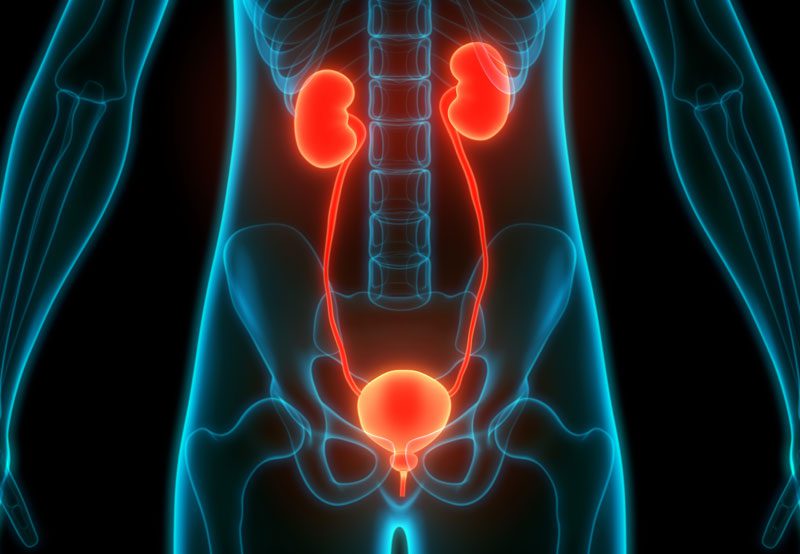
Bladder cancer is a disease in which abnormal cells grow in the tissues of the bladder, the organ that stores urine before urination. Most bladder cancers begin in the urothelial cells that line the inside of the bladder. Some tumors remain limited to the surface lining, while others grow into the bladder wall or spread beyond it. Early diagnosis is important because treatment is often more effective when the cancer is found before it becomes advanced.
Causes
Several factors are linked to an increased risk of bladder cancer, including:
- Smoking: Tobacco use is the most common preventable risk factor
- Chemical exposure: Long-term exposure to certain workplace chemicals used in manufacturing, dyes, rubber, or paint industries
- Chronic irritation: Recurrent infections, bladder stones, or long-term catheter use
- Prior radiation or chemotherapy: Some previous cancer treatments may increase risk
- Age: More common in older adults
- Family history: A family history may slightly increase risk
- Male sex: Diagnosed more often in men, though women can also develop bladder cancer

Symptoms
Symptoms may come and go, especially in early stages. Common signs include:
- Blood in the urine (hematuria), often painless
- Frequent urination
- Urgency to urinate
- Burning or discomfort with urination
- Difficulty emptying the bladder
- Pelvic pressure or pain
- Flank pain in more advanced disease
Because these symptoms can also occur with noncancerous conditions, medical evaluation is important.
Diagnosis
Evaluation of bladder cancer commonly includes:
- Urinalysis: Detects blood or infection
- Urine cytology: Looks for abnormal cells in the urine
- Cystoscopy: Uses a camera to examine the bladder lining directly
- CT urogram or imaging: Evaluates the urinary tract and possible spread
- Transurethral resection of bladder tumor (TURBT): Removes tissue for diagnosis and staging
- Pathology review: Determines tumor type, grade, and depth of invasion
Treatment Options
Treatment depends on the stage, grade, and overall health of the patient:
- Non-muscle-invasive disease: TURBT followed by surveillance or intravesical treatment such as Bacillus Calmette-Guérin (BCG) or bladder chemotherapy
- Muscle-invasive disease: Radical cystectomy, chemotherapy, radiation, or bladder-preserving trimodal therapy in selected patients
- Advanced disease: Immunotherapy, chemotherapy, targeted therapy, or combined treatment approaches
- Surveillance: Regular cystoscopy and imaging because recurrence is common
When to See a Specialist
Any episode of visible blood in the urine or persistent microscopic hematuria should be evaluated by a urologist. Prompt diagnosis may allow more treatment options and better outcomes. Long-term follow-up is essential after treatment because bladder cancer can recur over time.