

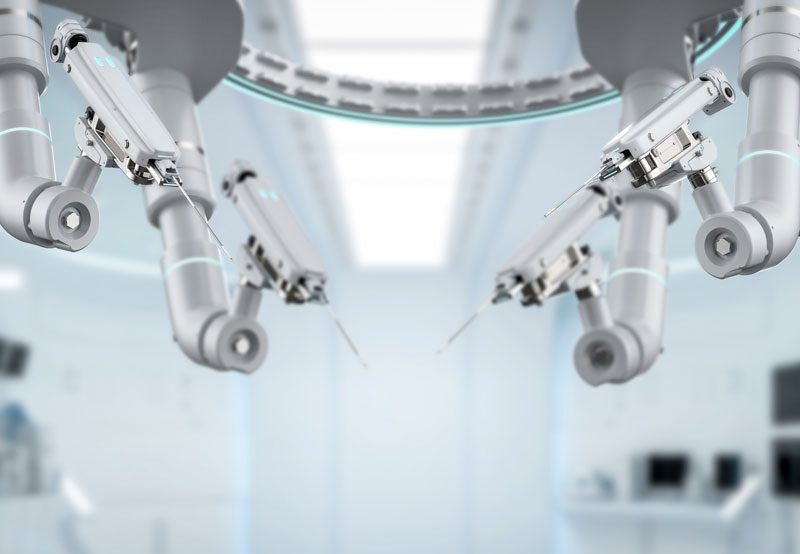
Robotic cystectomy with intracorporeal diversion is an advanced minimally invasive procedure used to remove the bladder and reconstruct urinary drainage entirely inside the body using robotic-assisted technology. It is most commonly performed for bladder cancer but may also be considered for selected severe noncancerous bladder conditions. During the operation, the bladder is removed through small incisions, and a urinary diversion is created using bowel tissue without requiring a large open incision. This approach combines cancer surgery with reconstructive techniques designed to restore urine flow.
What It Treats
Robotic cystectomy with intracorporeal diversion may be recommended for:
- Muscle-invasive bladder cancer
- High-risk non-muscle-invasive bladder cancer that has not responded to other treatment
- Recurrent bladder cancer requiring bladder removal
- Selected upper urinary tract cancers involving the bladder
- Severe radiation damage or end-stage bladder dysfunction in selected noncancer cases

How the Procedure Works
The surgery is performed under general anesthesia using robotic instruments placed through several small abdominal incisions. The surgeon controls the robotic system from a console, allowing precise removal of the bladder and surrounding tissue.
After bladder removal, urinary reconstruction is created inside the body using a segment of intestine. Intracorporeal diversion options may include:
- Ileal conduit: Urine drains through a small stoma into an external pouch
- Continent urinary reservoir: Internal pouch emptied by catheterization in selected patients
- Orthotopic neobladder: Internal reservoir connected to the urethra in selected candidates
Lymph nodes are often removed as part of cancer treatment and staging.
Benefits of the Procedure
Robotic cystectomy with intracorporeal diversion may offer several advantages:
- Small incisions instead of a large open incision
- Less blood loss in many cases
- Reduced postoperative pain
- Shorter recovery time for selected patients
- Precise pelvic dissection using magnified visualization
- Internal urinary reconstruction completed without open bowel surgery
- Comprehensive cancer treatment with reconstructive restoration of urine flow
What to Expect
Hospital stay is typically several days depending on recovery and bowel function. Temporary drains, stents, or catheters are commonly used during healing. Fatigue, appetite changes, and lifting restrictions are common during early recovery. Patients receive education on stoma care or new urinary function depending on the diversion type. Follow-up includes pathology review, imaging, lab monitoring, and long-term surveillance.
Is It Right for You?
Robotic cystectomy with intracorporeal diversion may be appropriate for patients who require bladder removal and are candidates for a minimally invasive approach. Suitability depends on cancer stage, prior abdominal surgery, overall health, kidney function, bowel health, and reconstructive goals. A urologic oncologist can determine whether this procedure is the safest and most effective treatment option.