
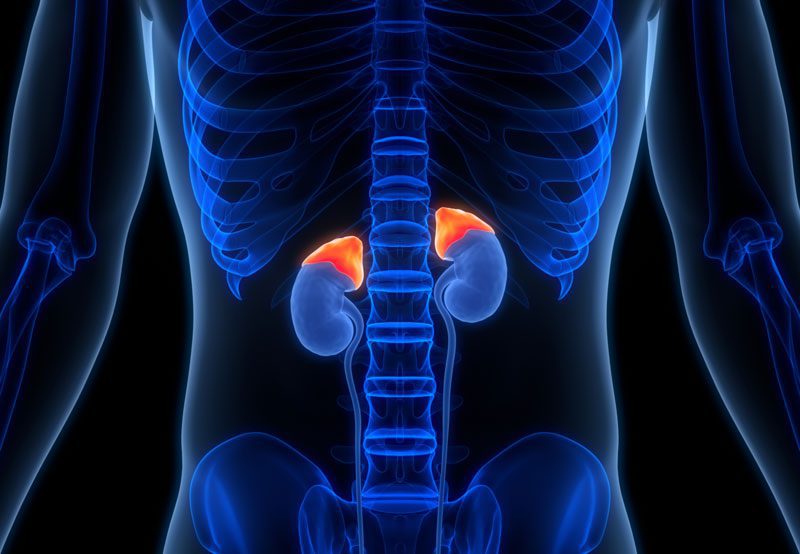
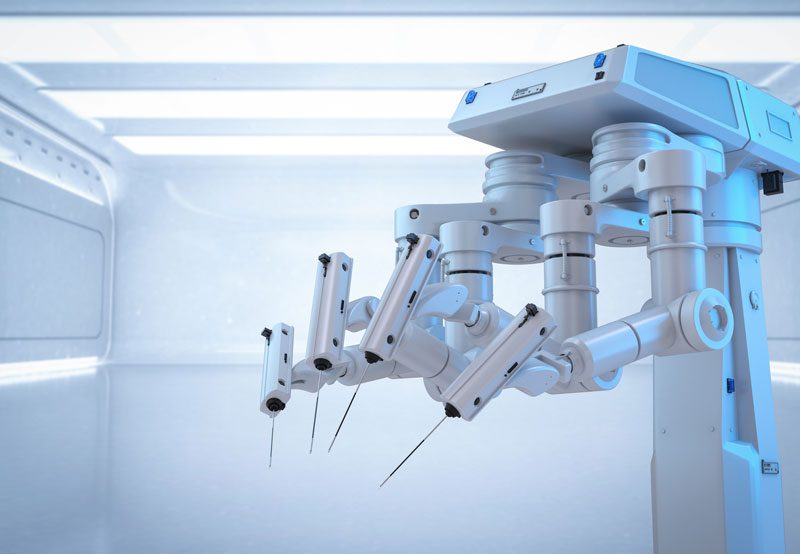
Robotic adrenalectomy is a minimally invasive surgical procedure used to remove one or both adrenal glands using robotic-assisted technology. The adrenal glands sit above the kidneys and produce hormones that help regulate blood pressure, metabolism, stress response, and electrolyte balance. Robotic techniques allow surgeons to operate through small incisions with enhanced precision, visualization, and control. This approach is commonly used for selected adrenal tumors, hormone-producing masses, and suspicious adrenal growths.
What It Treats
Robotic adrenalectomy may be recommended for several adrenal conditions, including:
- Adrenal adenomas: Benign tumors that may produce excess hormones
- Pheochromocytoma: Catecholamine-producing adrenal tumors
- Cushing syndrome: Cortisol-producing adrenal masses
- Primary aldosteronism: Aldosterone-producing adrenal tumors causing high blood pressure
- Suspicious adrenal masses: Lesions concerning for malignancy
- Selected adrenal cancers: In carefully chosen cases based on size and local extent
- Growing or symptomatic adrenal masses: Even when noncancerous

How the Procedure Works
The surgery is performed under general anesthesia. Several small incisions are made in the abdomen or flank to place ports for a camera and robotic instruments. The surgeon controls the robotic system from a console, allowing delicate dissection around nearby organs and blood vessels.
During the procedure:
- The adrenal gland is carefully separated from surrounding tissue
- Blood vessels supplying the gland are controlled
- The gland or tumor is removed through a small incision
- One adrenal gland is usually sufficient for normal hormone function if the other gland is healthy
Most patients require removal of only one adrenal gland.
Benefits of the Procedure
Robotic adrenalectomy may offer several advantages compared with open surgery:
- Small incisions
- Less postoperative pain
- Reduced blood loss in many cases
- Shorter hospital stay
- Faster return to routine activity
- Enhanced precision near delicate blood vessels and organs
- Excellent visualization of deep abdominal anatomy
What to Expect
Many patients stay in the hospital one to two days, though recovery varies based on the condition treated and overall health. Mild soreness, fatigue, and temporary lifting restrictions are common during healing. Hormone levels, blood pressure, and laboratory studies may be monitored after surgery. Some patients require temporary or long-term medication depending on adrenal function.
Is It Right for You?
Robotic adrenalectomy may be appropriate for patients with adrenal tumors, hormone-producing masses, enlarging lesions, or selected cancers. Suitability depends on tumor size, imaging findings, prior surgeries, overall health, and surgeon experience. A urologist or adrenal specialist can determine whether a robotic approach is the safest and most effective treatment option.