
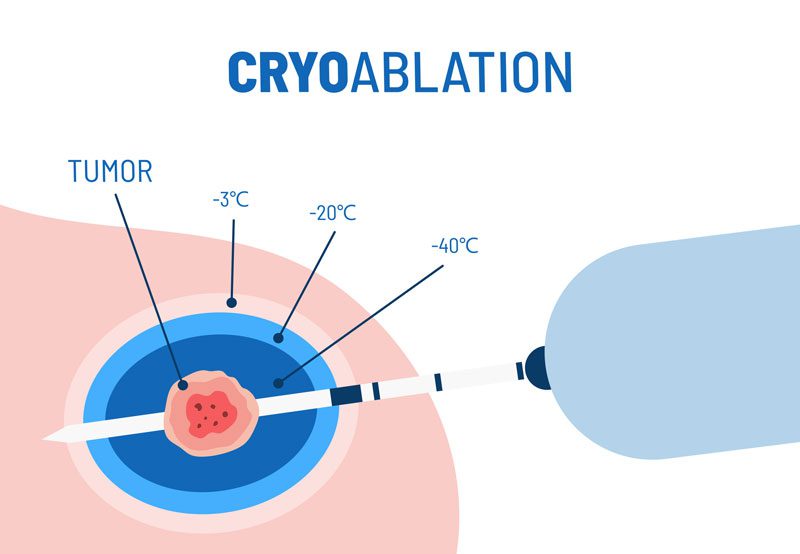

Cryoablation is a minimally invasive treatment that uses extreme cold to destroy abnormal or cancerous tissue. In urology, it is most commonly used for selected kidney tumors, prostate conditions, and certain localized lesions when a tissue-sparing alternative to surgery is appropriate. By precisely freezing targeted tissue under imaging guidance, cryoablation can treat disease while minimizing damage to surrounding structures and preserving healthy tissue whenever possible.
What It Treats
Cryoablation may be recommended for several urologic conditions, including:
- Small kidney tumors: Especially localized renal masses in selected patients
- Localized prostate cancer: In carefully chosen patients, including focal treatment candidates
- Recurrent prostate cancer: In some cases after prior radiation therapy
- Patients with higher surgical risk: When major surgery may not be ideal
- Selected benign lesions: Certain masses requiring treatment based on symptoms or growth
- Limited metastatic lesions: In specific clinical situations as part of broader cancer care
How the Procedure Works
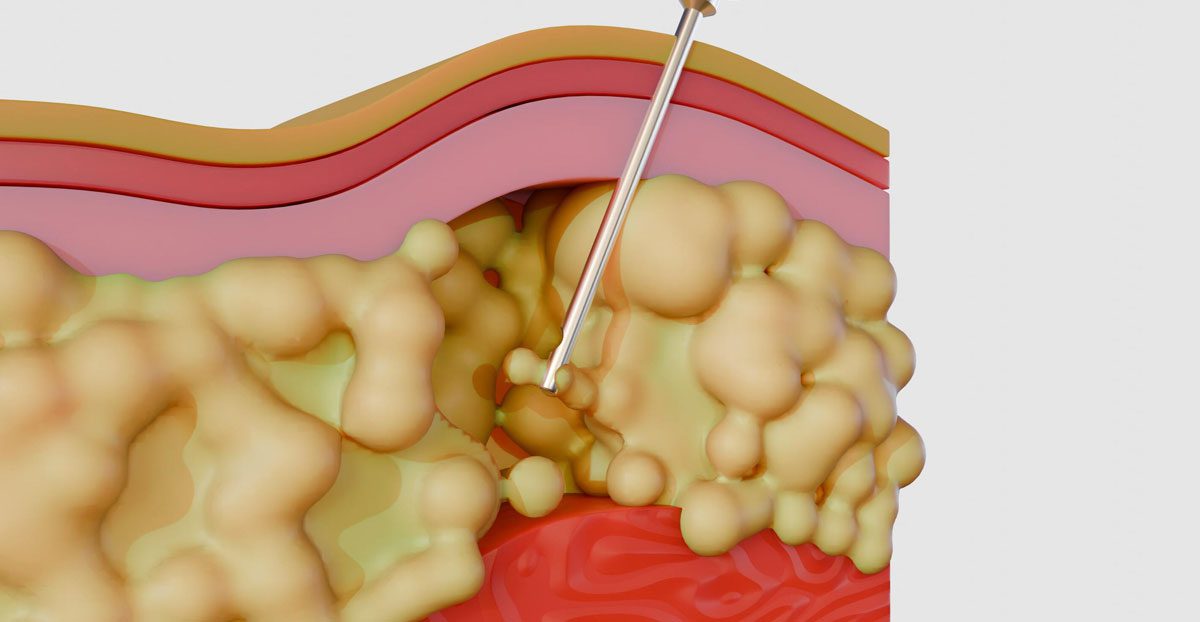
Cryoablation is usually performed using CT scan, ultrasound, or MRI guidance. Thin probes are inserted through the skin or placed into the treatment area depending on the organ involved. The probes create extremely cold temperatures that form an ice ball around the targeted tissue, causing cell destruction.
Multiple freeze-thaw cycles are commonly used to maximize treatment effectiveness. The procedure is often performed in an outpatient or short-stay setting under sedation or anesthesia.
Benefits of the Procedure
Cryoablation may offer several important advantages:
- Minimally invasive treatment with no large incision
- Shorter recovery time compared with traditional surgery
- Preservation of healthy kidney or prostate tissue in selected cases
- Reduced blood loss
- Precise treatment zone using imaging guidance
- Repeatable in selected patients if future treatment is needed
- Option for patients with significant medical conditions
What to Expect
Most patients experience temporary soreness, bruising, fatigue, or mild discomfort near the treatment site. Depending on the treatment area, temporary urinary symptoms or short-term catheter use may occur. Recovery is often quicker than major surgery, with many patients returning to routine activity within days. Follow-up imaging, lab work, PSA testing, or surveillance visits are used to monitor treatment success.
Is It Right for You?
Cryoablation may be appropriate for patients with small localized tumors, recurrent disease after prior treatment, or medical conditions that make surgery less desirable. Suitability depends on tumor size, location, imaging features, prior treatments, and overall health. Consultation with a urologist can help determine whether cryoablation is an effective option within an individualized treatment plan.