

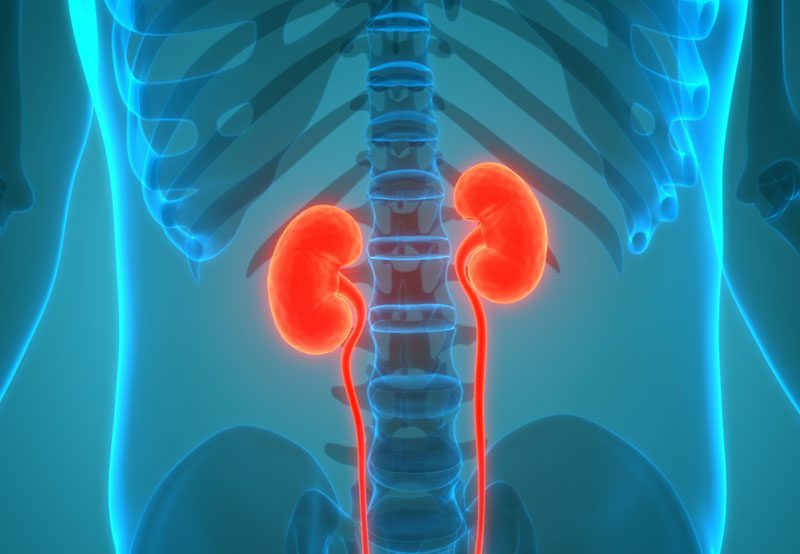
Kidney cancer is a disease in which abnormal cells grow within the tissues of the kidney and form a tumor. The most common type in adults is renal cell carcinoma, which begins in the small filtering structures of the kidney. Some kidney cancers are found incidentally during imaging for unrelated concerns, while others are discovered after symptoms develop. Early diagnosis is important because many localized kidney tumors can be treated successfully, often with kidney-preserving approaches.
Causes
Several factors are associated with an increased risk of kidney cancer, including:
- Smoking: Tobacco use is a significant risk factor
- Obesity: Excess body weight is linked to higher rates of kidney cancer
- High blood pressure: Chronic hypertension may contribute to risk
- Family history: Having a close relative with kidney cancer can increase likelihood
- Inherited syndromes: Certain genetic conditions predispose patients to renal tumors
- Chronic kidney disease: Long-term kidney dysfunction or dialysis may raise risk
- Chemical exposure: Some workplace exposures have been associated with renal cancer

Symptoms
Many small kidney tumors cause no symptoms. When symptoms occur, they may include:
- Blood in the urine (hematuria)
- Flank or side pain
- A lump or fullness in the abdomen or flank
- Unexplained weight loss
- Fatigue
- Fever without infection
- Loss of appetite
Because early disease may be silent, some tumors are detected before symptoms begin.
Diagnosis
Evaluation of kidney cancer often includes:
- CT scan with contrast: Common imaging study to evaluate kidney masses and staging
- MRI: Helpful for selected cases, including vascular involvement or contrast limitations
- Ultrasound: May identify a renal mass or cystic lesion
- Blood tests: Assesses kidney function, blood counts, and overall health
- Urinalysis: Checks for blood or other abnormalities
- Biopsy: Used selectively when results may change treatment planning
Treatment Options
Treatment depends on tumor size, stage, kidney function, and overall health:
- Partial nephrectomy: Removes the tumor while preserving healthy kidney tissue
- Radical nephrectomy: Removes the entire kidney when necessary
- Robotic or laparoscopic surgery: Minimally invasive approaches for many patients
- Cryoablation or radiofrequency ablation: Options for selected small tumors
- Active surveillance: Monitoring certain small masses in appropriate patients
- Immunotherapy or targeted therapy: Used for advanced or metastatic disease
When to See a Specialist
Patients with a kidney mass, unexplained blood in the urine, persistent flank pain, or suspicious imaging findings should be evaluated by a urologist. Early specialist review can determine whether a lesion is benign or malignant and identify the most effective treatment plan while preserving kidney function whenever possible.