


Laser ablation of tumors is a minimally invasive treatment that uses focused laser energy to heat and destroy abnormal or cancerous tissue. In urology, laser ablation may be used for selected tumors of the kidney, prostate, bladder, upper urinary tract, or other localized lesions depending on size, location, and pathology. By delivering energy directly to the target under imaging or endoscopic guidance, laser ablation can treat tumors while limiting injury to surrounding healthy tissue.
What It Treats
Laser ablation may be considered for several urologic conditions, including:
- Small kidney tumors: In selected patients who may benefit from a tissue-sparing approach
- Localized prostate lesions: In carefully chosen focal therapy candidates
- Bladder tumors: Certain superficial lesions treated endoscopically
- Upper tract urothelial tumors: Selected tumors in the ureter or renal pelvis
- Recurrent localized lesions: Depending on prior treatment history
- Patients who are poor candidates for major surgery: When less invasive treatment is preferred
How the Procedure Works
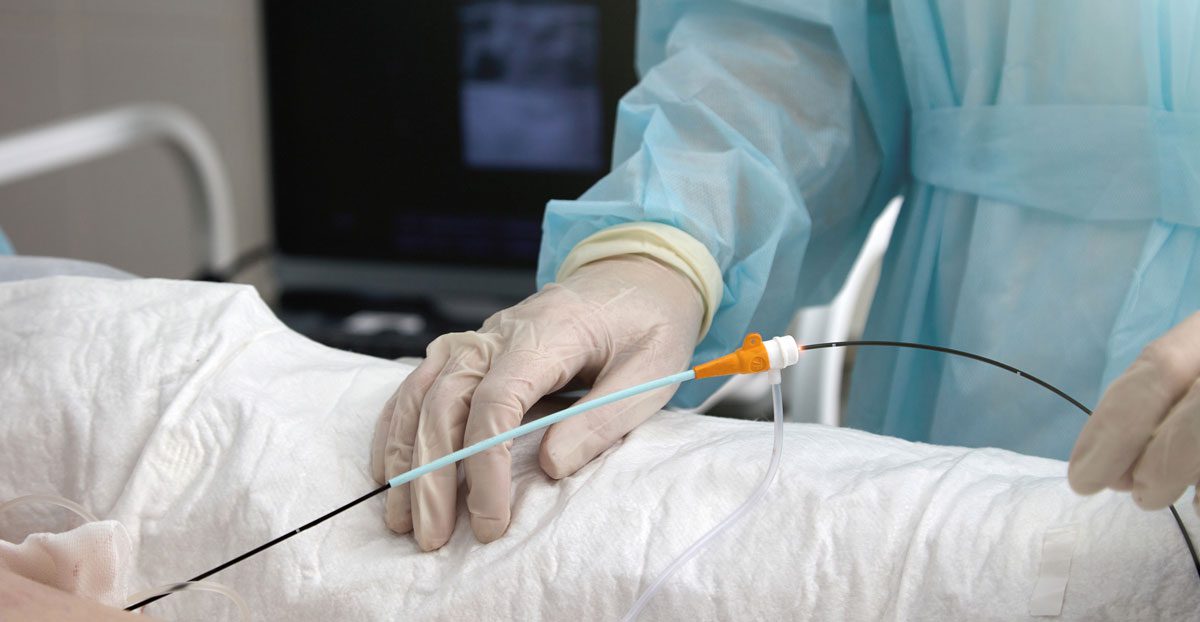
The treatment method depends on the tumor location. A laser fiber is advanced to the tumor through a needle, scope, or catheter using imaging or endoscopic guidance. Once positioned, the laser generates controlled heat that destroys targeted cells.
Approaches may include:
- Percutaneous treatment: Through the skin using CT, MRI, or ultrasound guidance
- Endoscopic treatment: Through the urethra, bladder, ureter, or kidney using a scope
- Focal therapy planning: MRI and biopsy guidance for selected prostate lesions
Most procedures are performed in an outpatient or short-stay setting under sedation or anesthesia.
Benefits of the Procedure
Laser ablation may offer several potential advantages:
- Minimally invasive treatment with no large incision
- Precise energy delivery to localized tumors
- Preservation of surrounding tissue in selected cases
- Shorter recovery time compared with traditional surgery
- Reduced blood loss
- Repeatable treatment option in selected patients
- Useful for patients with higher surgical risk
What to Expect
Recovery depends on the treatment site and extent of therapy. Mild soreness, temporary urinary symptoms, fatigue, or minor bleeding may occur after treatment. Some patients may require short-term catheter or stent placement depending on the location treated. Follow-up imaging, cystoscopy, PSA testing, or laboratory monitoring may be recommended to confirm treatment response.
Is It Right for You?
Laser ablation may be appropriate for patients with small localized tumors, recurrent lesions, or medical conditions that make surgery less desirable. Suitability depends on tumor type, size, location, prior treatments, and overall health. Consultation with a urologist can help determine whether laser ablation is an effective option within an individualized treatment plan.