
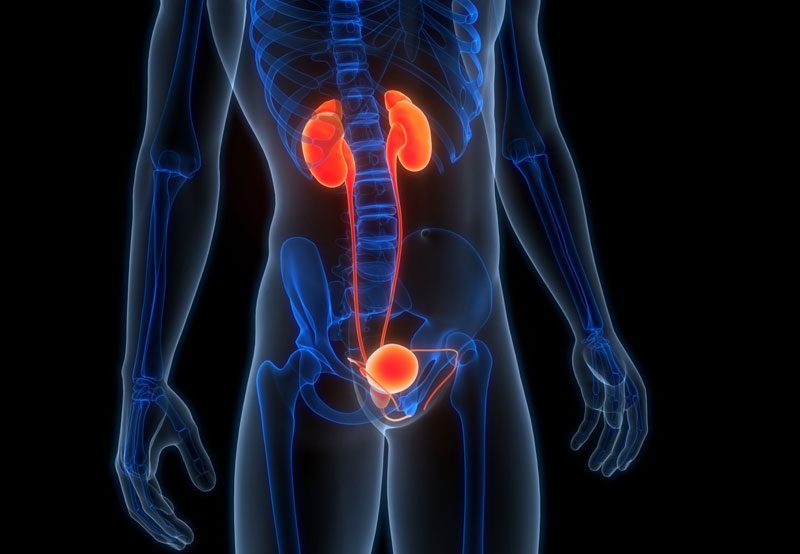

Focal therapy is a targeted treatment approach used to destroy a specific area of abnormal or cancerous tissue while preserving as much healthy surrounding tissue as possible. In urology, focal therapy is most commonly used for selected cases of localized prostate cancer and certain small kidney tumors. Rather than treating the entire organ, focal therapy focuses only on the known lesion or affected region. This approach may help balance cancer control with preservation of urinary, sexual, or organ function in carefully selected patients.
What It Treats
Focal therapy may be considered for several urologic conditions, including:
- Localized prostate cancer: Especially when disease is confined to one region of the prostate
- Intermediate-risk prostate cancer: In selected patients after careful imaging and biopsy review
- Recurrent prostate cancer: In some patients after prior treatment
- Small kidney tumors: In selected cases using focal ablative techniques
- Patients seeking tissue-preserving treatment: When organ function preservation is a priority
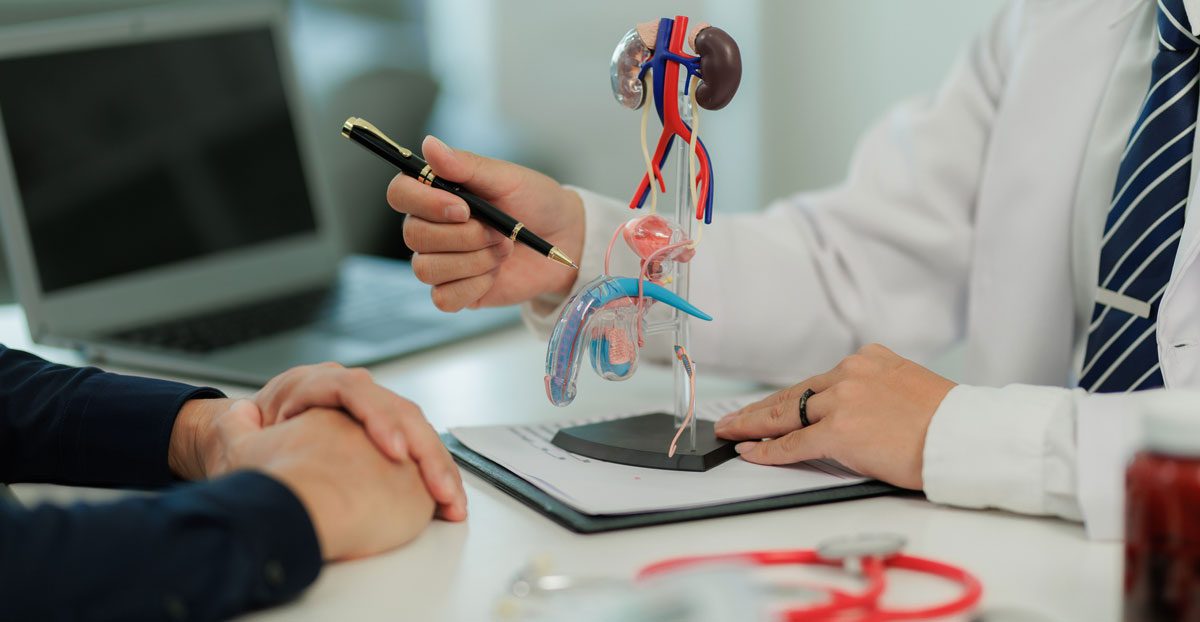
How the Procedure Works
Focal therapy begins with careful mapping of the disease using MRI, targeted biopsy, ultrasound, or other imaging tools. Once the treatment zone is defined, energy is delivered only to the affected area.
Common focal therapy technologies include:
- High-intensity focused ultrasound (HIFU): Uses focused sound waves to heat and destroy tissue
- Cryoablation: Uses extreme cold to freeze targeted tissue
- Irreversible electroporation (NanoKnife®): Uses electrical pulses to damage tumor cell membranes
- Laser ablation: Uses focused thermal energy in selected settings
- Radiofrequency or other thermal techniques: Used in selected lesions
Most procedures are outpatient or short-stay treatments performed under anesthesia.
Benefits of the Procedure
Focal therapy may offer several potential advantages:
- Targeted treatment with preservation of healthy tissue
- Lower risk of urinary incontinence compared with whole-gland treatment in selected patients
- Potential preservation of sexual function depending on lesion location
- Shorter recovery time than major surgery for many patients
- Repeatable or adaptable treatment options in selected cases
- Minimally invasive approach with limited incisions or no incision
What to Expect
Recovery depends on the treatment method used. Temporary urinary frequency, urgency, mild discomfort, blood in the urine, or short-term catheter use may occur. Follow-up often includes PSA testing, MRI, repeat biopsy in selected patients, and regular surveillance to ensure durable cancer control.
Is It Right for You?
Focal therapy may be appropriate for patients with carefully localized disease, favorable imaging findings, and a desire to preserve quality of life while treating cancer. Suitability depends on tumor grade, lesion size, number of lesions, prior treatments, anatomy, and long-term goals. Consultation with a urologist experienced in advanced imaging and focal treatment planning can help determine whether focal therapy is an appropriate option.