
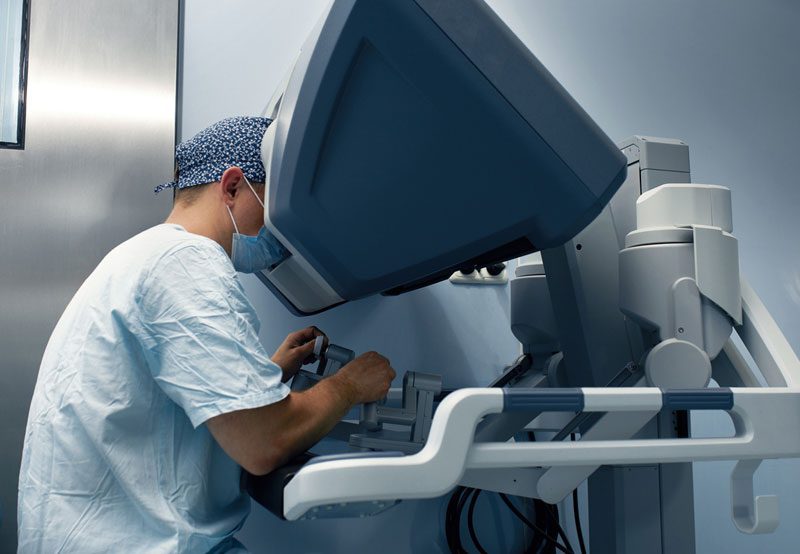
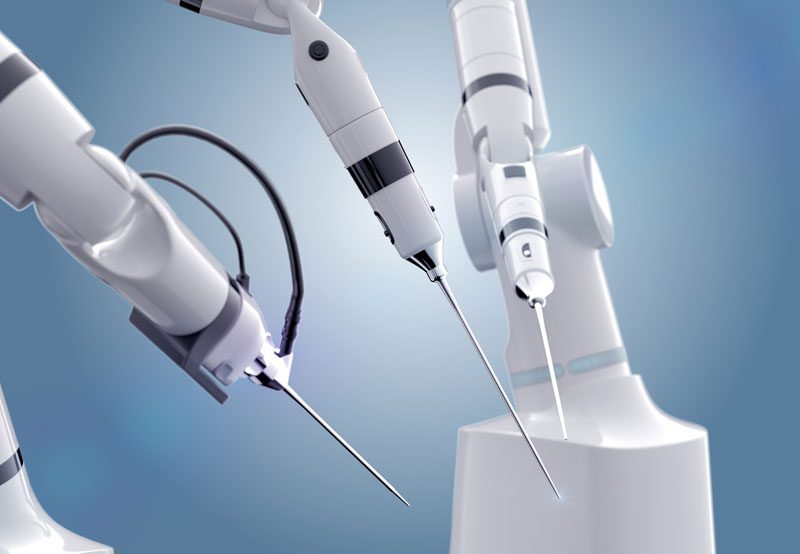
Single port robotic surgery is an advanced minimally invasive surgical technique performed through one small incision rather than multiple separate incisions. A specialized robotic system places a camera and flexible instruments through a single access point, allowing the surgeon to complete complex procedures with enhanced precision and control. In urology, single port robotic surgery may be used for selected prostate, kidney, bladder, adrenal, and reconstructive procedures. This approach is designed to reduce surgical impact while maintaining the benefits of robotic technology.
What It Treats
Single port robotic surgery may be used for several urologic conditions, including:
- Prostate cancer: Robotic radical prostatectomy in selected patients
- Kidney tumors: Partial nephrectomy or radical nephrectomy
- Adrenal masses: Adrenalectomy for benign or malignant lesions
- Upper tract urothelial tumors: Selected nephroureterectomy cases
- Benign kidney conditions: Cysts, obstruction, or nonfunctioning kidneys
- Reconstructive procedures: Selected ureteral, bladder, or pelvic operations

How the Procedure Works
The operation is performed under general anesthesia through one small incision, often placed near the navel or another concealed location depending on the surgery. A specialized robotic port is inserted, allowing multiple wristed instruments and a camera to pass through the same opening.
During surgery:
- The surgeon controls the robotic system from a console
- Instruments articulate within the body to perform delicate dissection and reconstruction
- The targeted organ or tumor is removed or repaired
- Additional small assistant ports may occasionally be used when needed for safety or efficiency
Benefits of the Procedure
Single port robotic surgery may offer several potential advantages:
- One primary incision rather than multiple abdominal incisions
- Less visible scarring
- Reduced postoperative discomfort in selected patients
- Shorter recovery time for appropriate procedures
- Enhanced precision compared with conventional laparoscopy
- Access to narrow or deep surgical spaces such as the pelvis
- Minimally invasive treatment with robotic control
What to Expect
Recovery depends on the specific procedure performed. Many patients go home the same day or after a short hospital stay. Mild soreness, fatigue, and temporary activity restrictions are common during healing. Follow-up includes incision checks, pathology review when cancer is treated, and monitoring of urinary or organ function depending on the operation.
Is It Right for You?
Single port robotic surgery may be appropriate for selected patients who need urologic surgery and are candidates for a minimally invasive approach. Suitability depends on the condition being treated, anatomy, prior surgeries, body habitus, and surgeon experience. A urologic surgeon can determine whether a single port robotic technique is the safest and most effective option.