
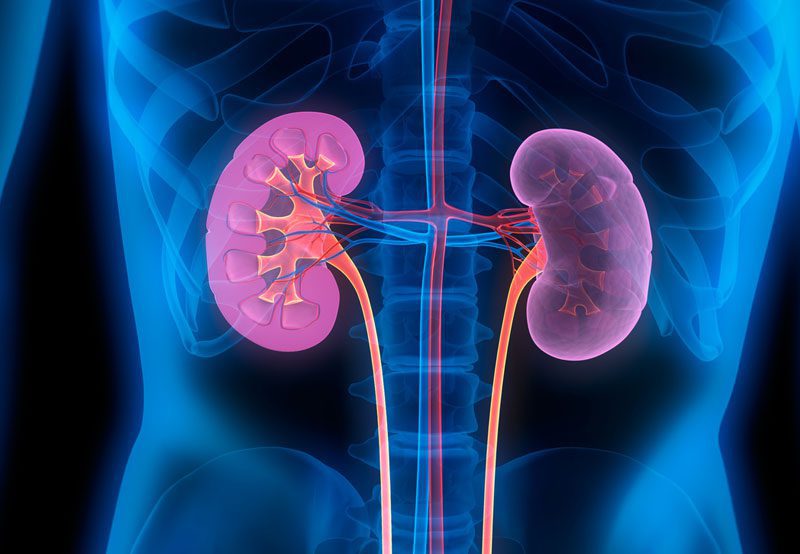

Robotic radical and partial nephrectomy are minimally invasive surgical procedures used to treat kidney tumors and other serious kidney conditions using robotic-assisted technology. A radical nephrectomy removes the entire kidney, while a partial nephrectomy removes only the tumor or diseased portion while preserving healthy kidney tissue. The robotic platform allows surgeons to operate through small incisions with enhanced precision, magnified visualization, and fine instrument control. These procedures are commonly used in the treatment of kidney cancer and selected complex renal masses.
What It Treats
Robotic radical or partial nephrectomy may be recommended for:
- Kidney cancer
- Suspicious renal masses requiring removal or diagnosis
- Small kidney tumors suitable for kidney-sparing surgery
- Large or centrally located tumors requiring complete kidney removal
- Complex cystic kidney masses with concerning features
- Nonfunctioning kidneys due to chronic obstruction, infection, or damage in selected cases

How the Procedure Works
The surgery is performed under general anesthesia through several small abdominal or flank incisions. Robotic ports are placed for a camera and surgical instruments, and the surgeon controls the system from a console.
Depending on the condition:
- Partial nephrectomy: The tumor is removed while preserving the remaining kidney
- Radical nephrectomy: The kidney is removed, sometimes with surrounding fat or nearby tissue when indicated
- Lymph node removal: May be performed in selected cancer cases
- Adrenal gland preservation or removal: Based on tumor location and extent when necessary
The specimen is removed through a small incision.
Benefits of the Procedure
Robotic kidney surgery may offer several advantages compared with open surgery:
- Small incisions
- Less blood loss in many patients
- Reduced postoperative pain
- Shorter hospital stay
- Faster recovery and return to routine activity
- Kidney preservation when partial nephrectomy is possible
- Enhanced precision for complex tumor removal and reconstruction
What to Expect
Many patients stay in the hospital one to two days, though recovery depends on the complexity of surgery and overall health. Mild soreness, fatigue, and lifting restrictions are common during early healing. Follow-up includes pathology review, kidney function testing, imaging, and surveillance when cancer is involved.
Is It Right for You?
Robotic radical or partial nephrectomy may be appropriate for patients with kidney tumors or other conditions requiring surgery. Suitability depends on tumor size, location, number of kidneys, baseline kidney function, prior surgeries, and overall health. A urologic surgeon can determine whether a robotic kidney-sparing or complete removal approach is the safest and most effective treatment option.