
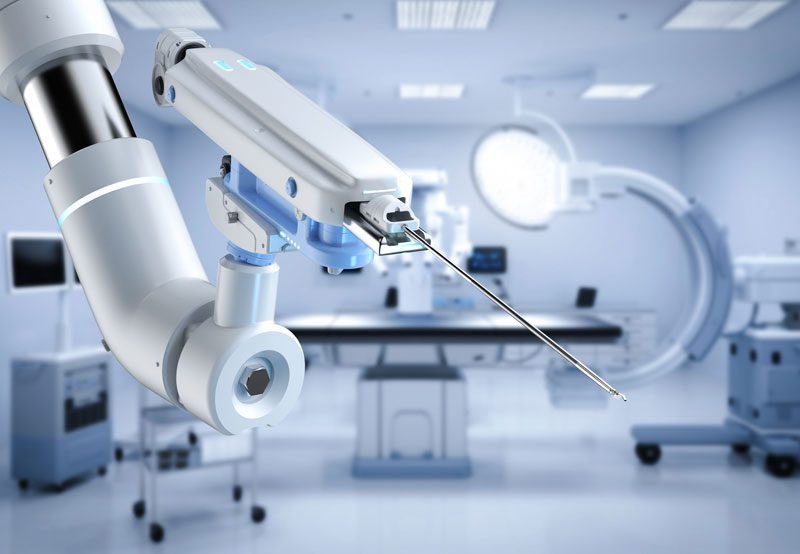

Robotic radical prostatectomy is a minimally invasive surgical procedure used to remove the prostate gland and surrounding tissue using robotic-assisted technology. It is one of the most common treatments for localized prostate cancer and selected cases of locally advanced disease. The robotic platform allows the surgeon to operate through small incisions with enhanced precision, magnified three-dimensional visualization, and fine instrument control. This approach is designed to treat cancer while supporting recovery of urinary and sexual function whenever possible.
What It Treats
Robotic radical prostatectomy may be recommended for:
- Localized prostate cancer confined to the prostate gland
- Intermediate-risk prostate cancer requiring active treatment
- High-risk prostate cancer in selected patients
- Locally advanced prostate cancer when surgery is part of a broader treatment plan
- Persistent or recurrent cancer in selected circumstances
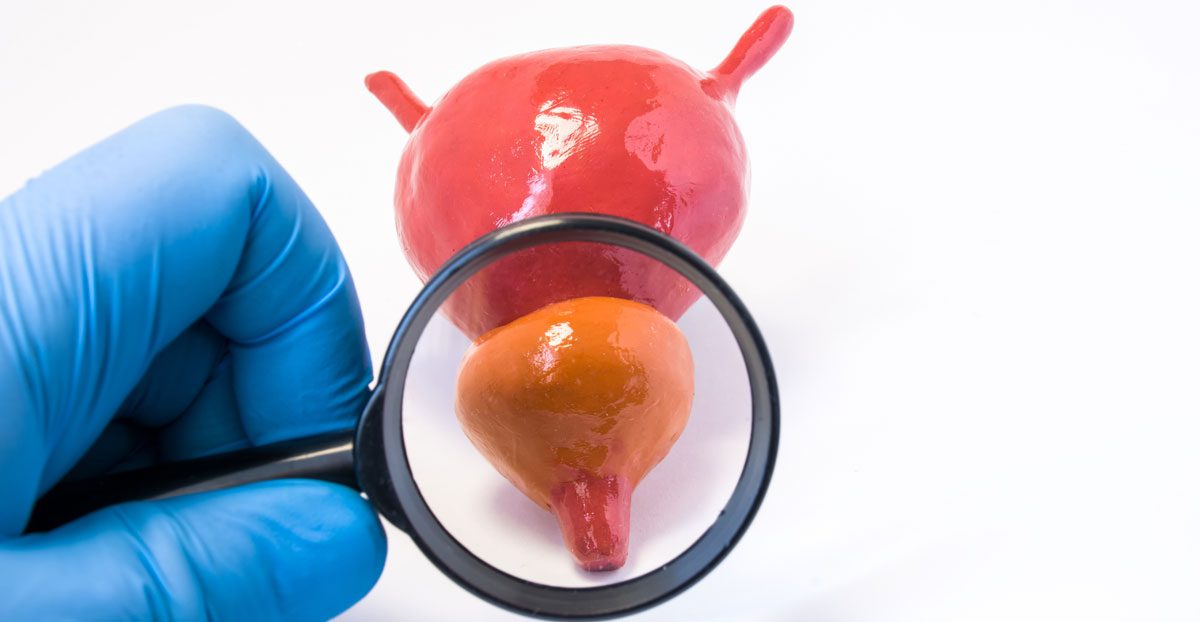
How the Procedure Works
The surgery is performed under general anesthesia through several small abdominal incisions. Robotic ports are placed for a camera and specialized instruments, and the surgeon controls the robotic system from a console.
During the procedure:
- The prostate gland is removed
- The seminal vesicles are typically removed
- The bladder is reconnected to the urethra
- Pelvic lymph nodes may be removed when indicated
- Nerve-sparing techniques may be used when oncologically appropriate to help preserve erectile function
A temporary urinary catheter is usually placed during healing.
Benefits of the Procedure
Robotic radical prostatectomy may offer several advantages compared with open surgery:
- Small incisions
- Less blood loss in many patients
- Reduced postoperative pain
- Shorter hospital stay
- Faster return to daily activity
- Enhanced visualization for delicate nerve and tissue preservation
- Effective cancer control for appropriately selected patients
What to Expect
Most patients stay in the hospital overnight or for a short period after surgery. The urinary catheter is commonly kept in place for about one to two weeks. Temporary urinary leakage is common early in recovery and often improves over time with pelvic floor rehabilitation. Erectile function recovery varies based on age, baseline function, nerve-sparing feasibility, and healing. Final pathology results help determine whether additional treatment or surveillance is needed.
Is It Right for You?
Robotic radical prostatectomy may be appropriate for men with prostate cancer who are candidates for surgery and desire definitive treatment. Suitability depends on cancer stage, PSA level, biopsy grade, age, urinary and sexual function, and overall health. A urologic oncologist can help determine whether surgery is the best treatment option compared with radiation, surveillance, or other therapies.