
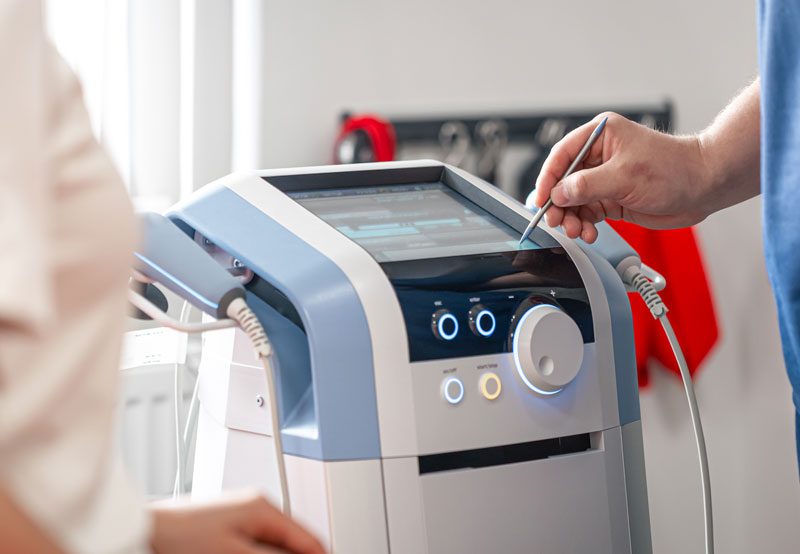

High-Frequency Focused Ultrasound (HIFU) is a minimally invasive treatment that uses concentrated ultrasound energy to heat and destroy targeted tissue. In urology, HIFU is most commonly used for selected prostate conditions, particularly localized prostate cancer and recurrent disease after prior treatment. By focusing energy precisely within the prostate, HIFU can treat abnormal tissue while aiming to preserve nearby nerves, urinary structures, and healthy tissue whenever possible.
What It Treats
HIFU may be considered for several prostate-related conditions, including:
- Localized prostate cancer: In selected patients with disease confined to the prostate
- Intermediate-risk prostate cancer: In carefully chosen cases based on imaging and biopsy findings
- Recurrent prostate cancer: In some men after prior radiation therapy
- Focal prostate lesions: Targeted treatment of a specific cancerous area within the gland
- Patients seeking a less invasive option: When avoiding major surgery is a treatment priority

How the Procedure Works
HIFU uses imaging guidance to identify the treatment zone within the prostate. A specialized probe delivers focused ultrasound waves that rapidly raise tissue temperature, causing controlled destruction of targeted cells.
The procedure is most often performed through a transrectal or transurethral device, depending on the system used. Treatment planning is based on MRI, biopsy results, prostate size, and lesion location. Most procedures are completed in an outpatient or short-stay setting under anesthesia.
Benefits of the Procedure
HIFU may offer several potential advantages:
- No large surgical incision
- Targeted treatment of specific tissue areas
- Shorter recovery time than many major surgeries
- Lower blood loss
- Potential preservation of urinary continence in selected patients
- Potential preservation of sexual function depending on treatment area
- Repeatable treatment option in selected cases
What to Expect
Temporary urinary symptoms such as urgency, frequency, burning, or slowed flow may occur after treatment. Some patients require short-term catheter placement while swelling improves. Mild discomfort or fatigue may also occur. Follow-up commonly includes PSA monitoring, imaging, and sometimes repeat biopsy depending on the treatment plan.
Is It Right for You?
HIFU may be appropriate for selected patients with localized prostate cancer, recurrent disease after radiation, or those interested in focal treatment options. Suitability depends on cancer grade, tumor location, prostate size, prior treatments, and long-term goals. Consultation with a urologist experienced in prostate imaging and focal therapy can help determine whether HIFU is an appropriate option.